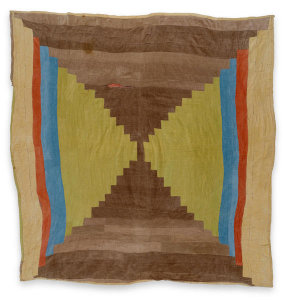
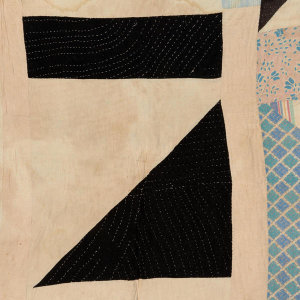
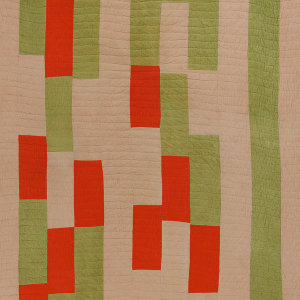
Magdalene Wilson (1898–2001), "Broken Star" variation, c. 1925
Cotton, wool, silk, 91 x 85 in.; Currier Museum of Art, Museum purchase and gift of the Souls Grown Deep Foundation
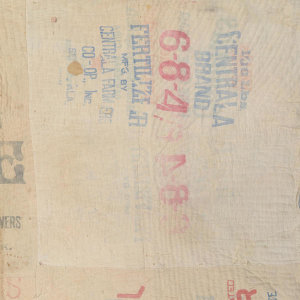
"Star" patterns' inherent boldness meshes well with the creative temperaments of many Gee's Bend quiltmakers. Magdalene Wilson's black-and-white "Broken Star" could not be more clearly defined in its figure-ground relationships. Her materials are humble: the white ground is feed or flour sacks. Gee's Bend quilts from this era often deploy a limited color palette— usually black, blue, or red—popping from the white of the cotton sacks. The haunting power of Wilson's "Broken Star," against the grain of the generally gaily colored "Stars" that prevail throughout the American quilt tradition lies in its restraint. In emptying the quilt of color, Wilson maximized the graphic punch of the inset diamonds.
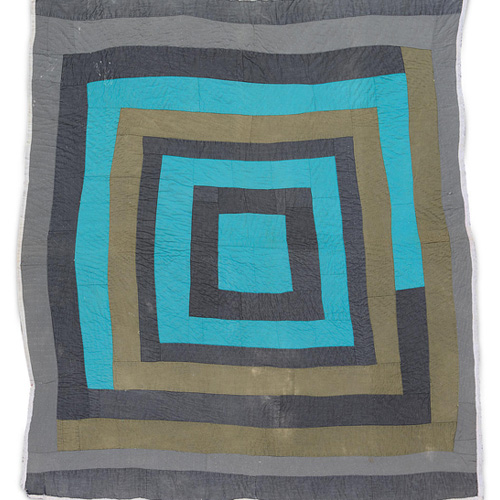
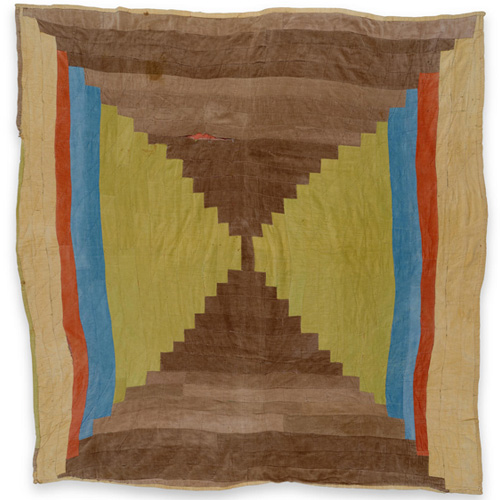
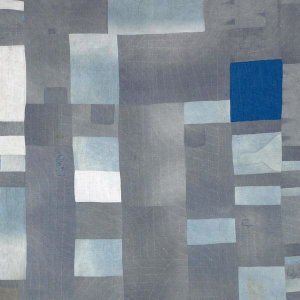
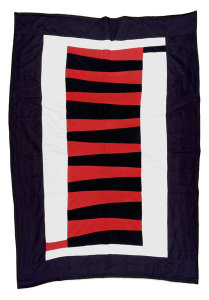
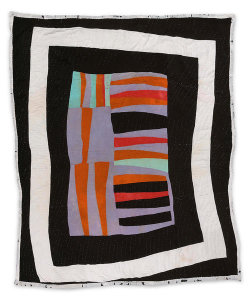
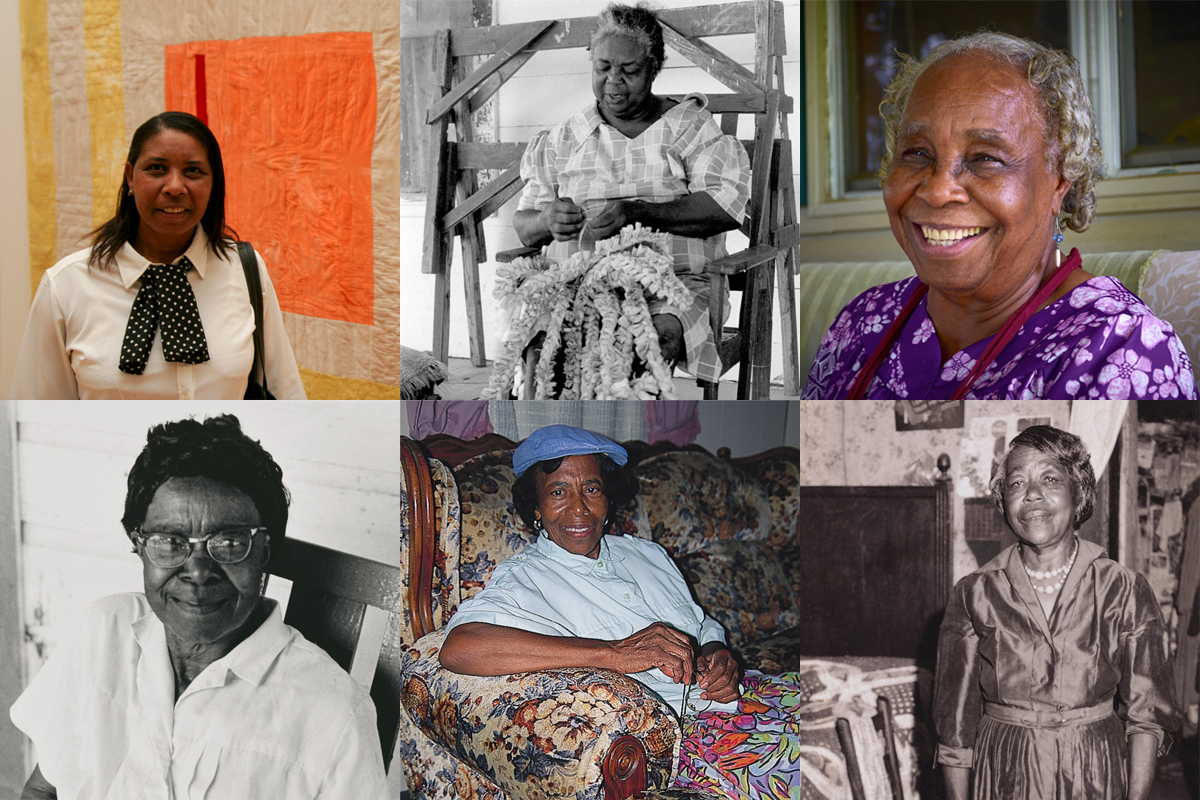
For over fifty years, Magdalene Wilson (1898-2001) made quilts in a project house in Gee’s Bend before moving late in life to Mobile, Alabama. In many of her surviving quilts, Wilson subverts the design expectation of common quilt forms. The "One Patch," based on a grid of squares, is a quiltmaking archetype that leads into patterns of its multiples: "Four-patch," "Nine-patch," and so on. These are often the first templates learned by young girls, but Wilson returned to them many times with a mature sense of color and a zeal for reinventing the basics. The pedestrian "One Patch," in the hands of masters like Magdalene Wilson and Polly Bennett, offers as many visual layers as any of its fancier cousins. In her “Broken Star” quilt from the 1920s, she placed subdued tones of brown and blue against a faded white background made of feed or flour sacks. The result stands in stark contrast to the generally gaily colored "Stars" that prevail throughout the American quilt tradition.
Magdalene Wilson’s work is in the permanent collections of the Currier Museum of Art and the Philadelphia Museum of Art.
Learn more about Magdalene Wilson here.